
Mundu multipolarra versus unipolarra
NBE (Nazio Batuen Erakundea) gaindituta, ICC (NAPE) (International Criminal Court) alboratuta, eta Mossad nagusi… aspalditik gainera…
******
Stop saying history will judge them, judge Israel now. With ICC judges.
******
ICC (international Criminal Court) NAPE (Nazioarteko Arlo Penaleko Epaitegia)
International Criminal Court judges refuse to be bow to Trump’s sanctions as he tries to exempt Israeli and American officials from the rule of law: “We are not going to be intimidated.”

******
An inspiring and urgent week with British academia—at LSE, Oxford, and earlier at Cambridge—culminating in the launch of UK Friends of Palestinian Universities.
One message stood out: Israel’s targeting of Palestinian education (scholasticide) must be confronted, and Palestinian universities protected as pillars of learning, resilience, dignity, and hope for the future.


oooooo
BREAKING: China bans all new investments in Israel.
oooooo
 Mel Gibson una vez hizo un llamamiento a todos los patriotas americanos para que se concienciaran sobre el tráfico de niños.
Al que han echado de todos lados llamándolo loco, que decía tonterías para llamar la atención de los medios. 
Con la publicación de los Archivos Epstein, se confirmó que estaba diciendo la verdad y nadie lo escuchó.
Su película ‘Sound of Freedom’ es una denuncia contra el tráfico de niños
Gibson es de los pocos de Hollywood que NO aparece en los archivos Epstein.
LE DIÓ UN GRAN EJEMPLO AL MUNDO 
Bideoa: https://x.com/i/status/2019886844108824880
oooooo
The day they get the punishment they deserve is the day this earth starts to heal.

oooooo
CovertAction Magazine: Hope and Resolve
https://dezayasalfred.wordpress.com/2026/02/07/covertaction-magazine-hope-and-resolve/ Honen bidez:

ooo
February 7, 2026
CovertAction Magazine: Hope and Resolve
(https://dezayasalfred.wordpress.com/2026/02/07/covertaction-magazine-hope-and-resolve/)
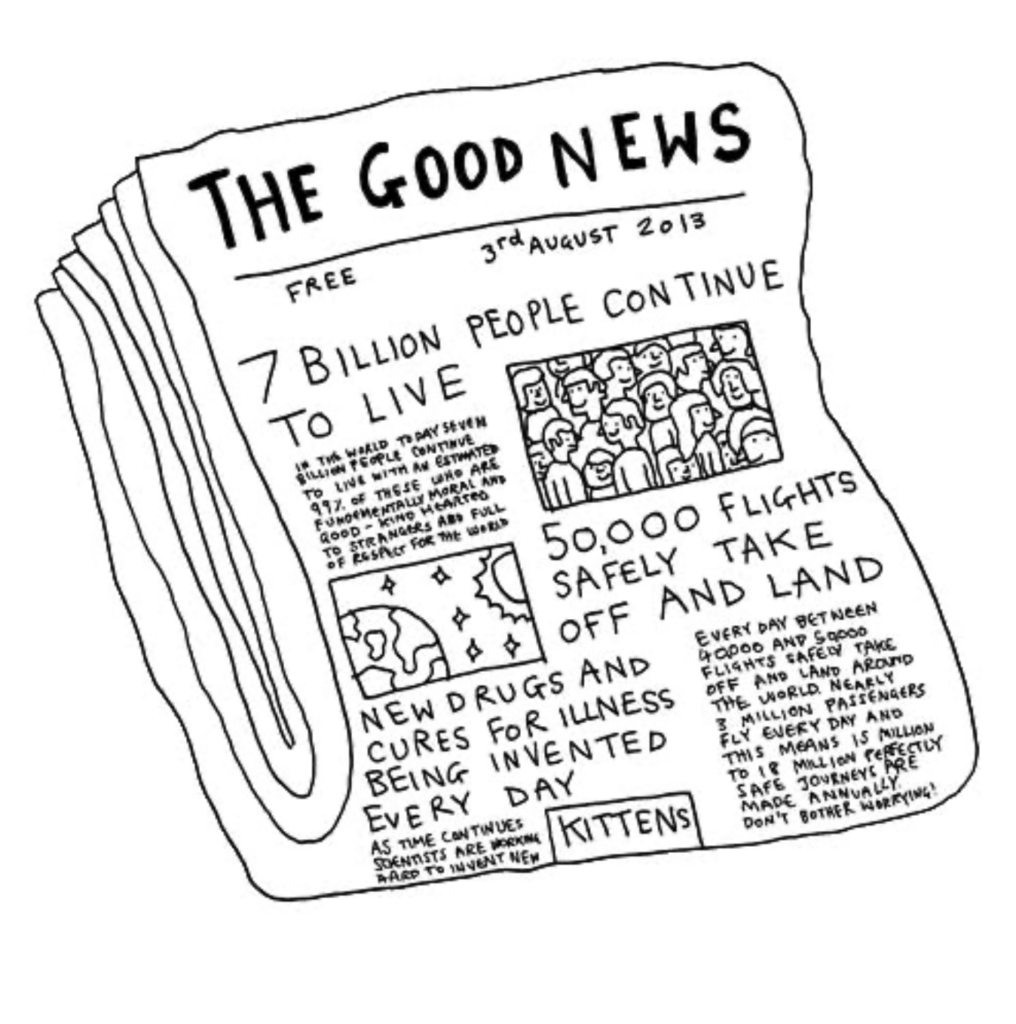
February 6, 2026
In chaotic times like ours, it behooves us to practice proactive optimism, which is far more than infantile hope or pious faith.
Conscious, vigorous optimism is visionary and builds on our awareness of our human identity and dignity. It expresses our faith in humanity, our resolve to be morally and intellectually honest, our good will.
It is axiomatic that to be constructive and effective, we need access to all information, access to the facts and to a multiplicity of interpretations. Democracy cannot function without reliable information. Therefore, we demand transparency and accountability from our authorities, reject scams, public relations schemes, propaganda and skewed media narratives.
It is time to abandon credulity vis-à-vis our authorities, which all too often have lied to us. Numerous scholarly studies document the ubiquitous false flags and falsifications that are fabricated by the “intelligence agencies,” including the CIA, M16 and Mossad, which have their own agendas, do not act to advance our interests, and function undemocratically as hostile operatives.
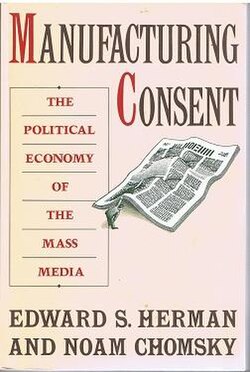
[Source: en.wikipedia.org]
Many of our once-trusted institutions have morphed into Orwellian structures engaged in the business of manipulating public opinion and manufacturing consent (Noam Chomsky/Edward Herman) to justify exploitation of others, sabre-rattling, aggression, kidnapping, even genocide.
We know that leaders whom we once trusted abused our trust, lying about important matters, e.g., the Tonkin Gulf, the purported Iraqi weapons of mass destruction, etc. We would be foolish to trust media narratives on Ukraine, Gaza, Iran, Cuba, Nicaragua, Somalia, South Africa, Sudan, China and Venezuela, among others.
We must endeavor to consult multiple sources of information and compare narratives. Notwithstanding the Latin maxim mundus vult decipi (the world wants to be lied to), we must push back against simplifications, amalgamations, extrapolations—and demand hard evidence.
Concerning criminality by many governments, we welcome whistleblowers like Julian Assange, Edward Snowden and Daniel Ellsberg, who revealed to us what our governments conceal. We must join our voices to those of all whistleblowers and resolutely shout: Not in our name! Meanwhile we remain steadfast, demanding truth from our elected officials.
Notwithstanding the chaos that surrounds us—we must reaffirm life and hope in the sense dum spiro, spero, (Theocritus, third century BC, Marcus Tullius Cicero, Letters to Atticus 9.10.3—dum anima est, spes esse dicitur, 103-43 BC), as long as we breathe, there is hope.
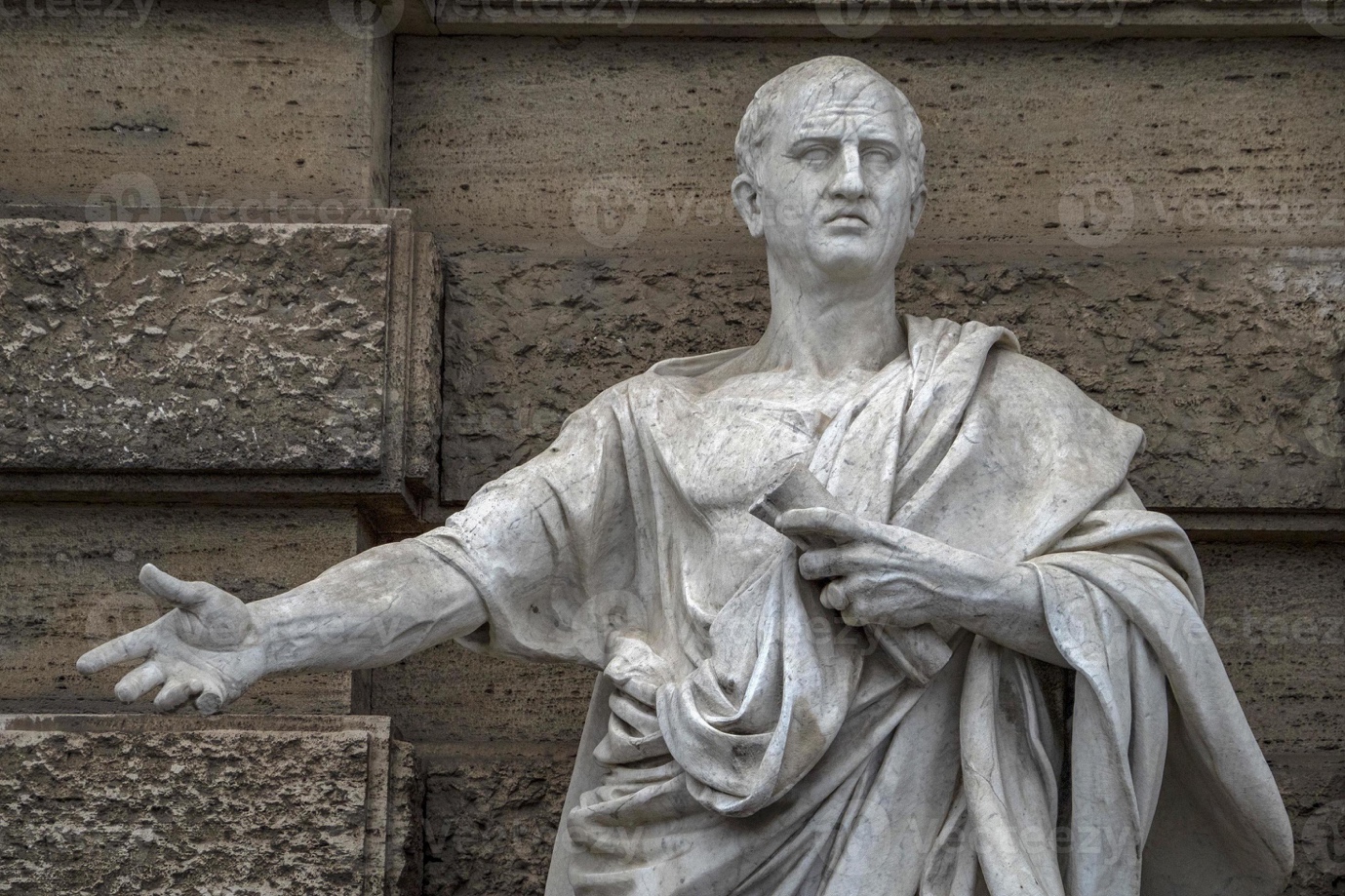
Cicero [Source: vecteezy.com]
Indeed, “hope is the last to die” (Halina Birenbaum).
In these disordered times of wars and terrorism, let us reaffirm our belief in life. As Rainer Maria Rilke, born 150 years ago, wrote Das Leben ist eine Herrlichkeit: What he meant in his Larenopfer, Stundenbuch, Duino Elegies, Sonnets to Orpheus, in his correspondence, in his ten Letters to a Young Poet, is: Life is splendorous. Love is wondrous. Family and friends are meaning and substance.
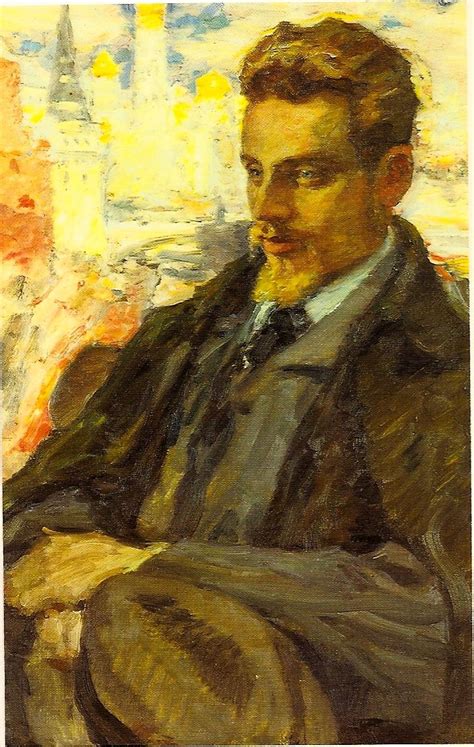
Portrait of Rainer Maria Rilke, painted by Leonid Pasternak. [Source: commons.wikimedia.org]
Words do stand for specific concepts, values, things. Language must not be used to destroy meaning, hide ulterior purposes. Orwellian newspeak, relentless propaganda, and enforced cognitive dissonance may eventually obliterate the legacy of Descartes, Erasmus, Spinoza, Rousseau, Montesquieu, Voltaire, Kant, Hegel, Kierkegaard, Dante, Cervantes, Shakespeare, Pushkin, Tolstoy, Raphael, Leonardo da Vinci, Mozart, Beethoven, Schubert, Mendelssohn, Brahms, Verdi, Tchaikovsky, Sibelius and Mahler.
We must reject the corruption and destruction of language, by creating Trumpian/Orwellian “Ministries” such as the “Ministry of Love,” to enforces loyalty through fear; “Ministry of Truth,” to fabricate propaganda and alter historical records; “Ministry of Peace,” to promote perpetual war; and “Ministry of Plenty,” to manage famine and rationing. Is Trump’s so-called “Board of Peace” not akin to a new “Ministry of Peace/Truth/Love/Plenty”? This phony “Board of Peace” does not aim for world Peace but, instead, to replace the United Nations through United States “full-spectrum dominance”?
This Board of Peace is actually a Board of Neo-Colonialism, a Board to Rehabilitate Apartheid, a Board for the Management of Genocide. Trump’s newspeak is not original – it is copied from George Orwell.
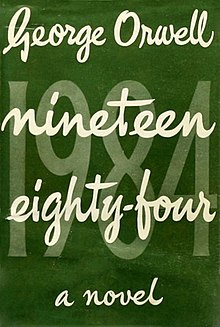
(Source: en.wikipedia.org]
We do not have to play the fatuous game of Humpty Dumpty in his exchange with Alice in Wonderland in Through the Looking Glass:
“‘I don’t know what you mean by “glory,”’ Alice said.
Humpty Dumpty smiled contemptuously. ‘Of course you don’t—till I tell you. I meant
“there’s a nice knock-down argument for you!”’
‘But “glory” doesn’t mean “a nice knock-down argument,”’ Alice objected.
‘When I use a word,’ Humpty Dumpty said in rather a scornful tone, ‘it means just what I choose it to mean—neither more nor less.’
‘The question is,’ said Alice, ‘whether you can make words mean so many different things.’
‘The question is,’ said Humpty Dumpty, ‘which is to be master—that’s all.’”

[Source: amazon.com]
Are we going to play Humpty Dumpty’s game and let Trump get away with the farce of his “Board of Peace.”
Civilization is not inexorably doomed, but many of our leaders have lost the moral compass and may yet drive us to Apocalypse. Civilization still means a commitment to logic and rationality, adherence to internationally agreed norms, playing by the rules and not cheating. Alas, we have a culture of cheating which may eventually prove our undoing.
That is yet another reason why we should know our own culture and reaffirm the validity of our civilization, recommit to the peace agenda of the UN Charter and the UNESCO constitution, reject fear-mongering, relearn diplomacy as a necessary conflict-prevention strategy, practice intellectual honesty with ourselves and others. Most importantly, we must reject fake news, fake history and fake law disseminated by the mainstream media, our politicians and some pseudo-academics.
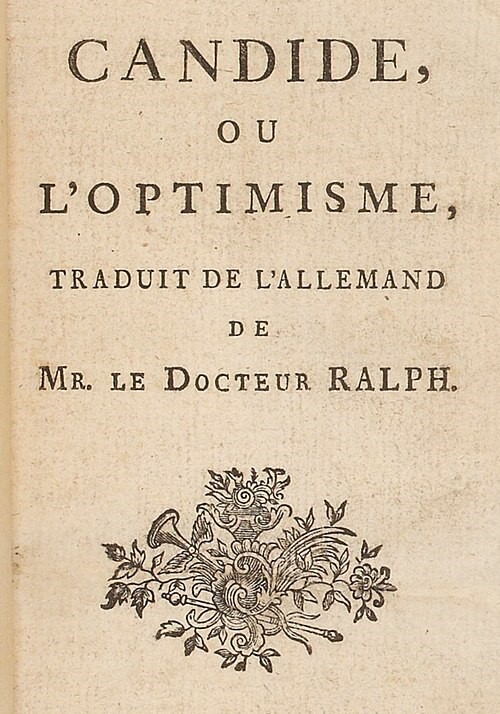
Cover of Voltaire’s first edition under pseudonym Dr. Ralph. [Source: en.wikipedia.org]
Voltaire’s picaresque novela Candide or The Optimist (published 1759)—ends with resignation. His message is to accept the world as it is and to “cultivate our own garden.” It is the novel of an old man who has seen everything and realizes that he cannot change the world and withdraws to his private sphere. Our message must not be one of disillusionment or passivity. We have the resolve to practice proactive optimism.
Once, in October 2013, after I had finished a human rights luncheon lecture at Harvard, I jumped on a cab to MIT to visit Noam Chomsky. I asked him, “Say, Noam, how can you stand it? For 50 years you have been writing the most insightful analyses of world events, and things are not getting any better.” Noam frowned at me and said “Look, Alfred, we do what we can, and what we MUST!” I understood what he meant. Gutta cavat lapidem (Ovidius, Ex Ponto). Persevere and NEVER give up!
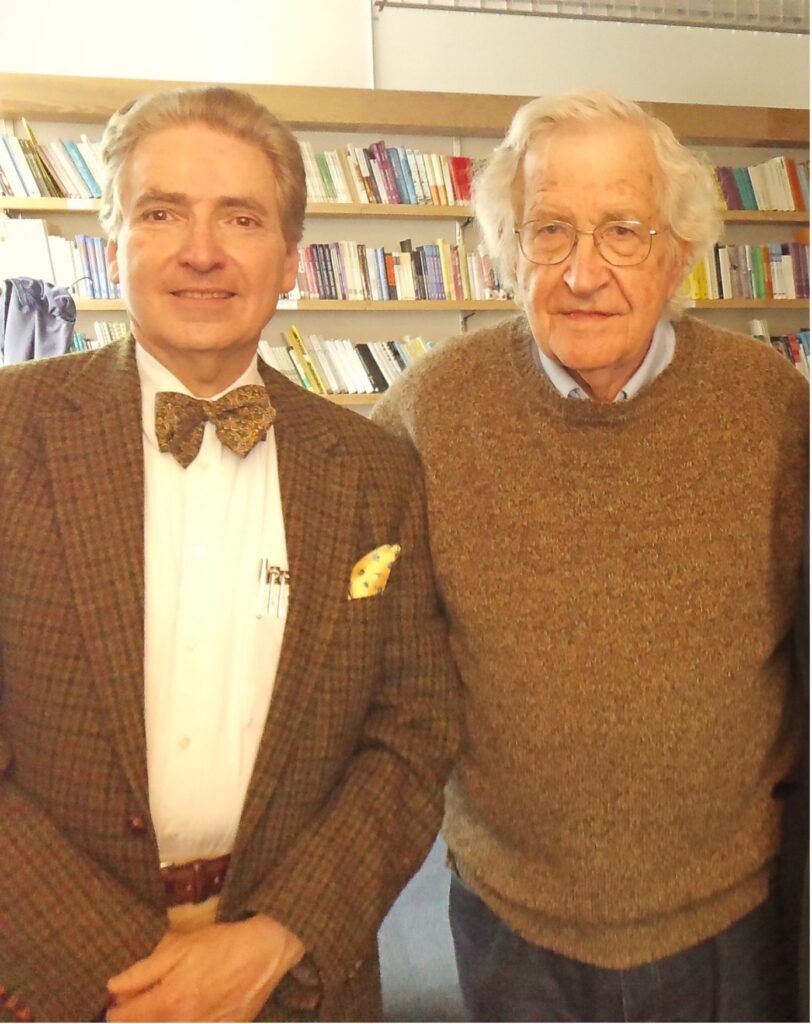
The author and Noam Chomsky. [Source: Photo Courtesy of Alfred De Zayas]
Therefore, with renewed energy, let us work together to save our civilization. Let us build world harmony, not just for a bogus peace narrative of the collective West, not for a “transitional political pact of non-violence.” Much more than that we must strive for more than ephemeral cease-fires in the many conflicts that plague the world.
Let us join spirits in building ontological harmony, a harmony of convergence, a spiritual mindset that overcomes arrogance, animosity, deception, greed, hedonism, materialism. Let us live the music of peace, the poetry of harmony, and join efforts to make the future kinder, juster, less bellicose than in recent years.
CovertAction Magazine is made possible by subscriptions, orders and donations from readers like you.
Blow the Whistle on U.S. Imperialism

Click the whistle and donate
When you donate to CovertAction Magazine, you are supporting investigative journalism. Your contributions go directly to supporting the development, production, editing, and dissemination of the Magazine.
CovertAction Magazine does not receive corporate or government sponsorship. Yet, we hold a steadfast commitment to providing compensation for writers, editorial and technical support. Your support helps facilitate this compensation as well as increase the caliber of this work.
Please make a donation by clicking on the donate logo above and enter the amount and your credit or debit card information.
CovertAction Institute, Inc. (CAI) is a 501(c)(3) non-profit organization and your gift is tax-deductible for federal income purposes. CAI’s tax-exempt ID number is 87-2461683.
We sincerely thank you for your support.
Disclaimer: The contents of this article are the sole responsibility of the author(s). CovertAction Institute, Inc. (CAI), including its Board of Directors (BD), Editorial Board (EB), Advisory Board (AB), staff, volunteers and its projects (including CovertAction Magazine) are not responsible for any inaccurate or incorrect statement in this article. This article also does not necessarily represent the views the BD, the EB, the AB, staff, volunteers, or any members of its projects.
Differing viewpoints: CAM publishes articles with differing viewpoints in an effort to nurture vibrant debate and thoughtful critical analysis. Feel free to comment on the articles in the comment section and/or send your letters to the Editors, which we will publish in the Letters column.
Copyrighted Material: This web site may contain copyrighted material the use of which has not always been specifically authorized by the copyright owner. As a not-for-profit charitable organization incorporated in the State of New York, we are making such material available in an effort to advance the understanding of humanity’s problems and hopefully to help find solutions for those problems. We believe this constitutes a ‘fair use’ of any such copyrighted material as provided for in section 107 of the US Copyright Law. You can read more about ‘fair use’ and US Copyright Law at the Legal Information Institute of Cornell Law School.
Republishing: CovertAction Magazine (CAM) grants permission to cross-post CAM articles on not-for-profit community internet sites as long as the source is acknowledged together with a hyperlink to the original CovertAction Magazine article. Also, kindly let us know at info@CovertActionMagazine.com. For publication of CAM articles in print or other forms including commercial internet sites, contact: info@CovertActionMagazine.com.
By using this site, you agree to these terms above.
About the Author
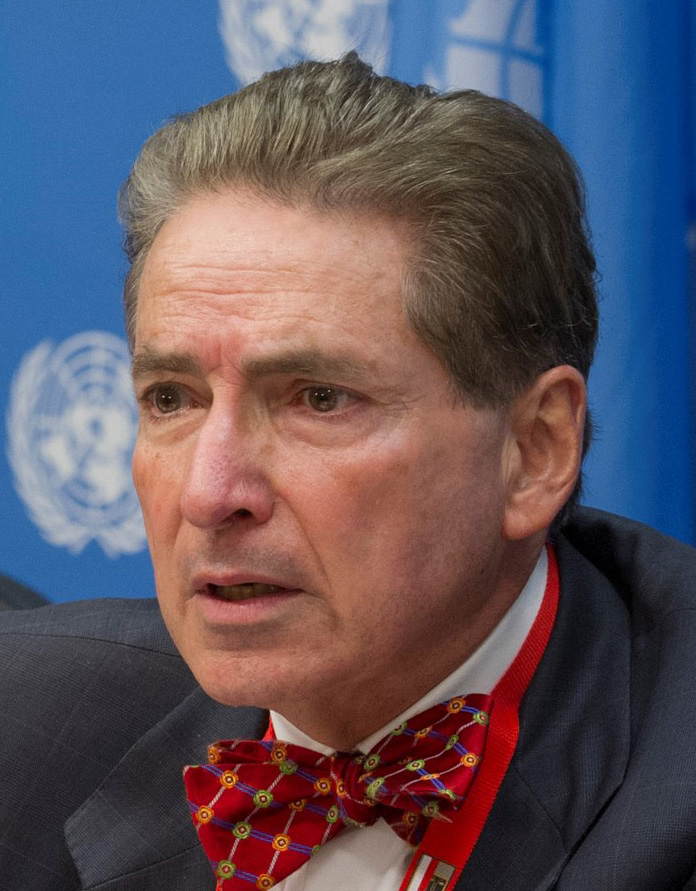
Alfred de Zayas is U.S. and Swiss citizen, residing in Geneva, Switzerland, where he is Professor of Law at the Geneva School of Diplomacy.
De Zayas is a former senior lawyer with the UN Office of the High Commissioner for Human Rights and former UN Independent Expert on International Order (2012-18).
He is author of 12 books including “Building a Just World Order.”
Alfred can be reached at alfreddezayas@gmail.com.
oooooo
@tobararbulu # mmt@tobararbulu
Alas, Babylon
ooo
Alas, Babylon
The “Polish Pope” Crisis of October 1978 made me a believer in the danger of nuclear weapons, and the need for arms control.
Feb 05, 2026
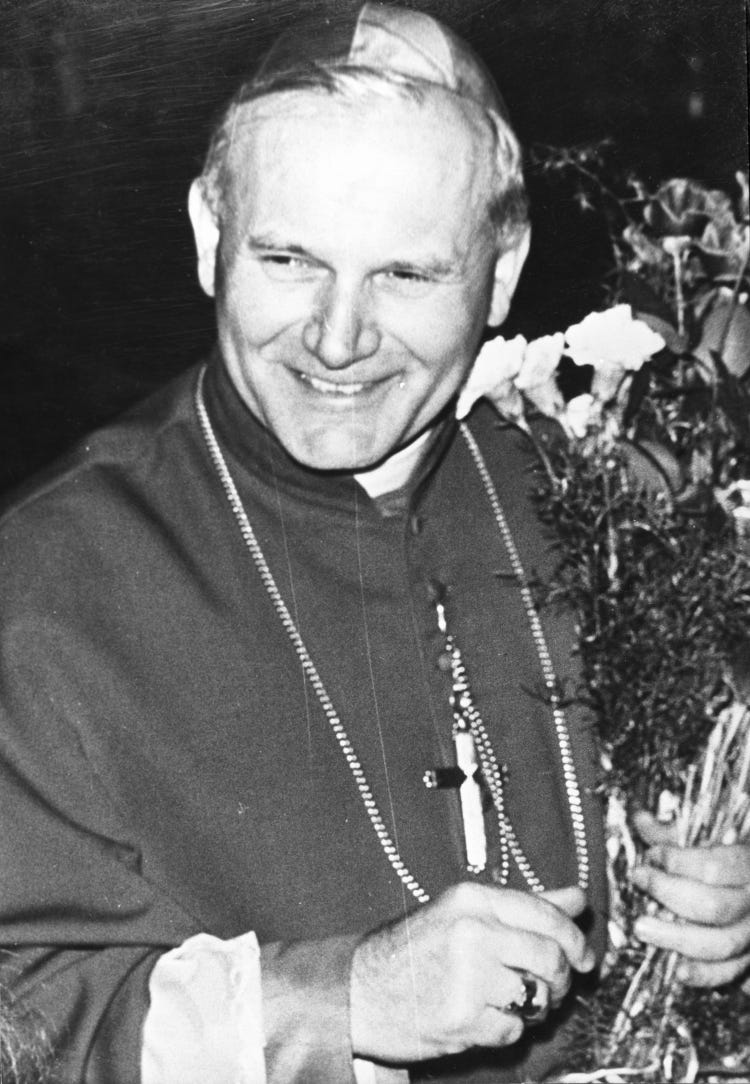
Archbishop Karol Wojtyła
In the late afternoon of October 16 1978, 111 cardinals-electors from all over the world, who had gathered on 15 October 1978 in St. Peter Basilica, and after eight rounds of voting, elected 58-year-old Archbishop Karol Wojtyła to be Pope. John Paul II, as Karol Wojtyła became known, was Polish, and Poland at that time was part of the Soviet-dominated Warsaw Pact, where religion had for decades been subordinated to Communist Party dogma.
Throughout Poland, crowds poured into the streets in a massive display of spontaneous joy. In Krakow, the Sigismund bell that hung in the former royal castle in Wawel was rung—an occurrence only reserved for the post extraordinary circumstances. People paraded through the streets, national flags on display, singing religious songs and hymns that were officially prohibited from singing. A spark was lit in the hearts of the Polish people which gave birth to the Solidarity movement two years later.
Joseph Stalin is reported to have mocked the Catholic Church with his famous remark, “The Pope—how many divisions has the Pope?”
The answer to that question was being provided by the people of Poland themselves—millions flooded the streets in a massive display of unauthorized social mobilization that shook the ruling Polish Communist Party to its core. While the people of Poland danced in the streets, the state-controlled Polish TV and radio network remained silent while the ruling Communist Party consulted among itself as to what the next steps might be,
There were 40,000 Soviet troops stationed in Poland, serving as a mailed fist designed to reinforce the 300,000-strong Soviet Group of Forces in Germany that would lead off any war with NATO. Poland was viewed by Soviet authorities as an essential component of the Warsaw Pact, the foundation upon which its ability to successfully confront NATO on the field of battle was anchored.
Soviet officials, led by KGB Chief Yuri Andropov, were on the alert for signs that the new Polish Pope was part of a larger US-backed plot to create instability in Poland sufficient to require Soviet military intervention, weakening the unity of the Warsaw Pact and undermining the position of the Soviets in East Germany and elsewhere. The CIA viewed Poland as a particularly volatile member of the Warsaw Pact, noting in a 1977 analysis that a “blow-up” in Poland could bring down the Polish government “and even conceivably compel the Soviets to restore order” in a re-play of Czechoslovakia in the Spring of 1968.
The CIA viewed the Polish Catholic Church as a critical player in any scenario involving social unrest in Poland, noting that the Communist Party had been leaning on the Church to help stifle anti-government sentiment among the deeply religious Polish population. The election of Karol Wojtyła as Pope would collapse the role played by the Polish Catholic Church in underpinning the legitimacy of the Polish Communist Party.
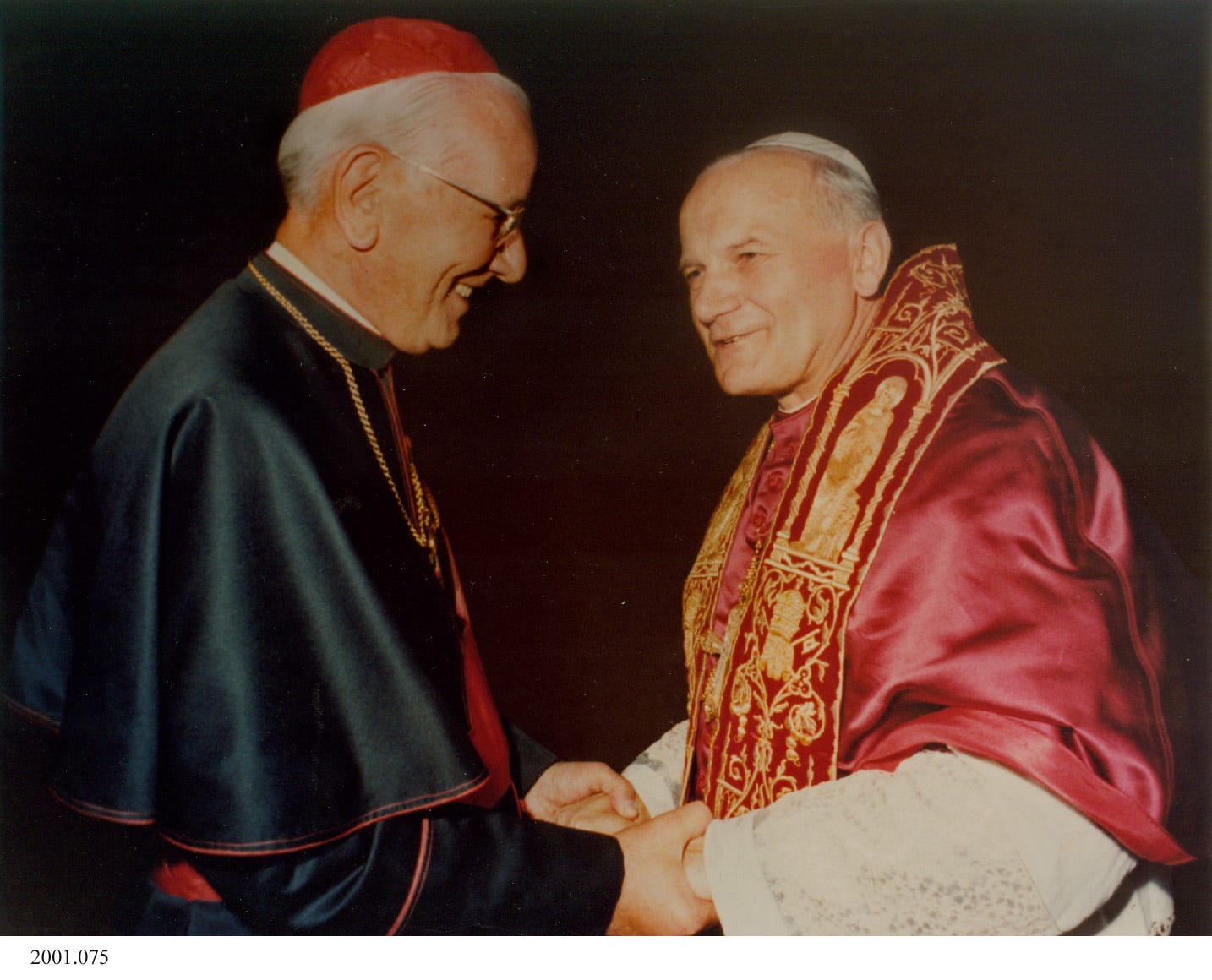
Cardinal John Joseph Krol (left) with Pope John Paul II after his election
The US had been preparing the grounds for such a move, putting pressure on the West German Catholic leaders to support Wojtyła. Zbigniew Brzezinski, the National Security Advisor to President Jimmy Carter, was working with Cardinal John Joseph Krol of Philadelphia to line up the American Cardinals behind Wojtyła. The CIA also got Krol to bribe cardinals from poorer countries (mostly from Asia and Africa) with CIA money to vote for the Polish Archbishop.
Andropov’s KGB had been following these activities, and as such his concerns about a US-backed plot were not unfounded.
The Polish Communist Party had, starting in late 1977, taken the diplomatic offensive in trying to undermine support for the controversial “neutron bomb”, a thermonuclear weapons designed to kill people by radiation rather than by the force of a blast. While such warheads had long been deployed on anti-ballistic missiles in the 1950’ and 1960’s, the Carter administration was looking to adapt them for use on systems like the short-range Lance missile, where they would be used to blunt Soviet armored divisions in case of a Warsaw Pact invasion of NATO. These weapons were very attractive to West Germany at the time, since the bulk of the fighting in any Soviet invasion would be done on its soil. “Neutron” warheads would kill Soviet soldiers without making German lands uninhabitable for centuries. But West Germany would not support the deployment of these weapons on its soil unless it had the backing of other European nations. The Polish diplomacy had been successful in undermining support for the “neutron bomb”, and in April 1978 President Carter formally announced that the US would defer production of the weapon contingent upon the Soviet Union doing the same.
The Carter administration, influenced as it was by the staunchly anti-communist Brzezinski, had an axe to grind with the Polish Communist Party. The election of Karol Wojtyła as Pope could help checkmate Poland’s influence among the major Social Democratic and Socialist parties of Europe.
Shortly after as President in January 1977, Jimmy Carter was confronted by the deployment of Soviet SS-20 intermediate-range missiles within striking distance of Western Europe. The Soviet’s had already achieved strategic parity with the US in terms of strategic nuclear forces, and had likewise equalized the theater-level short-and-medium range posture through the deployment of the SS-12/22 “Scaleboard” solid-fuel missile. The deployment of SS-20 missiles, each equipped with three nuclear warheads, outside the range of any European-based counterpart weapons system created a capability “gap” that put the NATO “flexible response” deterrence strategy, premised as it was on deterring or countering Soviet aggression with an appropriate, graduated response—ranging from conventional defense to tactical or strategic nuclear weapons—at any level of conflict, at risk.
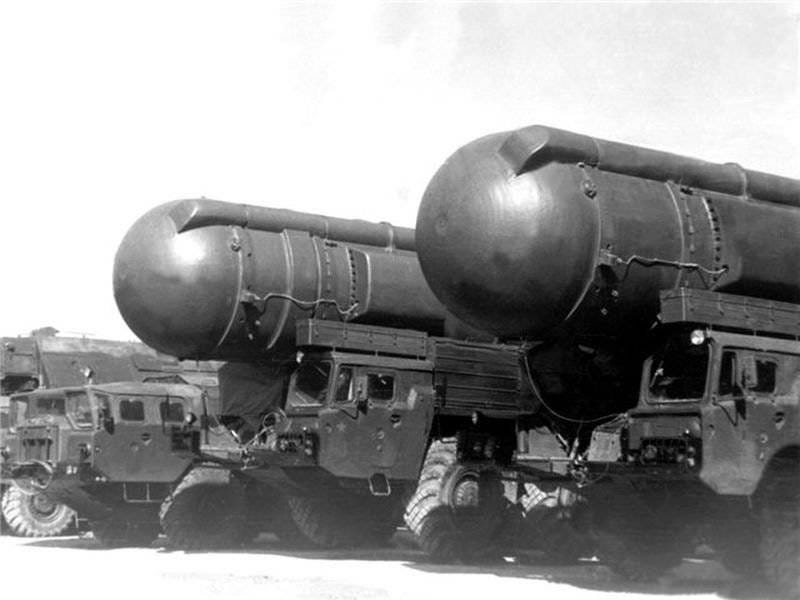
SS-20 missile launchers
In August 1978, President Carter, with the strong backing of Brzezinski, approved a plan that he hoped would breath life back into “flexible response” by deploying a contingent of 108 Pershing II-XR ballistic and 464 ground launched cruise missiles to the United Kingdom, West Germany, and Italy. However, the question of Poland’s ability to influence the European mindset loomed large. To be able to overcome what was anticipated to be major European pushback to this plan, Poland needed to be neutralized. This is where picking Karol Wojtyła as Pope came into play.
In November 1977 my family moved from Ankara, Turkey, where my father, a Major in the US Air Force, had served as an advisor to the Turkish Air Force, to the Rheinland-Pfalz region of West Germany. My father was assigned to the 17th Air Force, headquartered at Sembach Air Base, where he oversaw aircraft maintenance in support of the 17th Air Force mission of conducting defensive and offensive air missions in Central Europe in support of NATO.
In times of crisis, the 17th Air Force headquarters staff would re-locate to underground bunkers where they could ride-out a Soviet nuclear attack and still fulfill their responsibilities.
In the fall of 1978, my family lived in a German home we rented from a German family that had been renting it out to Americans ever since General George Patton used it as a temporary headquarters for his Third Army in the final months of the Second World War. The home was on the outskirts of the German Town of Marnheim. Across the highway was a little village named Weirhof, home to a small military housing community which included a chapel, an officers club, bachelor officer’s quarters, and a medical clinic where my mother worked as a nurse.
Weirhof was located several miles from the US Army Special Weapons Depot in Kriegsfeld, officially known as NATO Site Number 107 but consistently referred to as “North Point.” Most of the families and officers living in Weirhof worked at “North Point”, where their mission was to secure and maintain the US Army’s inventory of nuclear 155mm and 8-inch artillery shells.
By the fall of 1978 I had become quite aware of the reality of life in West Germany. Simple daily existence put one in contact with tanks, helicopters and fighter aircraft as they traversed the fields and roads around my home, and the skies above it. The reason for this was the presence of two Soviet Guards armies (the 1st Tank and 20th Combined Arms) just over the East German border, some 200 kilometers (or 2 1/2 hours driving distance) away. I was told by my parents that if there was a war, we would not be evacuated, but rather would remain in place. It was expected that the Soviets could arrive within 2-3 days after the fighting began.
But I heard the other whispers—that the Soviets, in order to prevent nuclear artillery shells from being distributed to the US Army units who would be called upon to fire them in a desperate effort to stop the advancing Soviet tanks and armored personnel carriers, would hit “North Point” with nuclear weapons early on in the conflict.
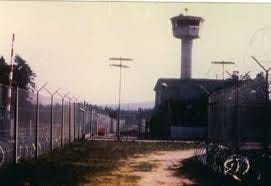
North Point weapons depot
Given the location of my families rented home to “North Point”, we were literally at ground zero of what would be the opening nuclear salvo of World War Three.
My father, given his work, would occasionally not come home at night. Instead he would be sequestered inside one of the underground bunkers located on the Sembach Air Base. For the most part, such occasions were linked to military exercises. But every now and then, the real world would intervene, and my father just disappeared without advanced warning. When this happened, he would simply call my mother and say two words—”Alas, Babylon.”
Alas, Babylon was the name of a 1959 book by Pat Frank which described post-nuclear apocalyptic life in a small Florida town. My parents had both read the book while my father attended the University of Florida—a time period which coincided with the Cuban Missile Crisis of October 1962. Needless to say, the book resonated deeply with both of them.
“Alas, Babylon” meant that the world could come to an end at any minute, this was not a drill, gather the family together and pray for the best.
October 16, 1978 was a Monday. My father had gone to work that morning as he always did, and my sister and I got on the rented German tour buses the Department of Defense used as school buses, for our 40-minute ride to Kaiserslautern, home to Kaiserslautern American High School.
I played football on the High School Football team (wide receiver/tight end), and after classes I would stay behind for practice, catching the “late bus” that would take me home to Marnheim.
The “Red Raiders” of Kaiserslautern were in the midst of what would turn out to be an undefeated championship season. We were coming off a decisive victory over Stuttgart Panthers, a game where I had made a critical contribution by catching a pass for 38 yards on third down that helped sustain what would prove to be the winning drive of the game.
That victory emboldened me to follow through on my plans to ask Betsy Ensign out to the Homecoming Dance, which was literally taking place on the next Saturday. I had made clear my intentions to all my classmates, so that no one would preempt my plans, but had yet to muster the courage to ask her out directly. My plan was to hang out at lunch in the classroom where Betsy’s mother taught social sciences, and wait for Betsy to show up. I was going to gauge from Mrs. Ensign whether or not I stood a chance before popping the question.
The plan worked like a champ—Betsy’s mom told me that Betsy was fully aware of my stated intention, more than a little angry that I was taking so long to answer, but most probably inclined to say yes if I just mustered the courage to ask the question. Betsy showed up, I asked her out, she said yes, and the world was perfect.
I went to football practice empowered only as a boy who had asked the girl of his dreams out to a dance could be. I was still on cloud none when I caught the late bus home, and looking forward to the opportunity to share the big news with my family.
But it wasn’t to be.
The selection of Karol Wojtyła as Pope had sent alarm bells ringing throughout Europe and NATO. The Soviets and their Warsaw Pact allies were hunkering down, trying to figure out how to respond. NATO, fearing the possibility of the Soviet’s taking advantage of their SS-20 missile advantage, upgraded their alert status.
My father was in the Sembach bunker.
And he had called my mother before hand, telling her the two words she did not want to hear: “Alas, Babylon.”
My mother and sisters and I spent the evening looking through family photo albums, talking about the adventures we had shared as a family, and afraid to go to sleep lest we never awaken. Eventually our eyes closed, and in the morning the sun came up, and we had to get ready to go to school.
My father was still in the bunker.
I remember looking out the bus window at our home as we drove away, wondering if I’d ever see it, or my mother, again. My little sister, Amy, attended the elementary school on Sembach, so I asked myself the same question about her. Suzanne, who was one year younger than me and in her Junior year, was with me on the bus. We didn’t say anything, but I knew she was worried as well.
Betsy and I met over lunch, since we were now officially “a thing.” She wanted my locker combination number, because there was a tradition of the dates of football players decorating the lockers the Friday before the game. She sensed something was wrong, but I couldn’t fully articulate the issue—Betsy’s family lived in the Vogelweh base housing located near the High School, far removed from the “North Point” weapons depot and the drama surrounding that location. Likewise, the fact that my father was in the war bunker, and had notified my Mom as such, wasn’t for public disclosure. I simply told her I was thinking about the game, and promised to be better company the next day, when we planned to meet for lunch.
But in the back of my mind I wondered if there would be a second lunch, a decorated locker, a football game, or a homecoming dance.
My father was in the bunker.
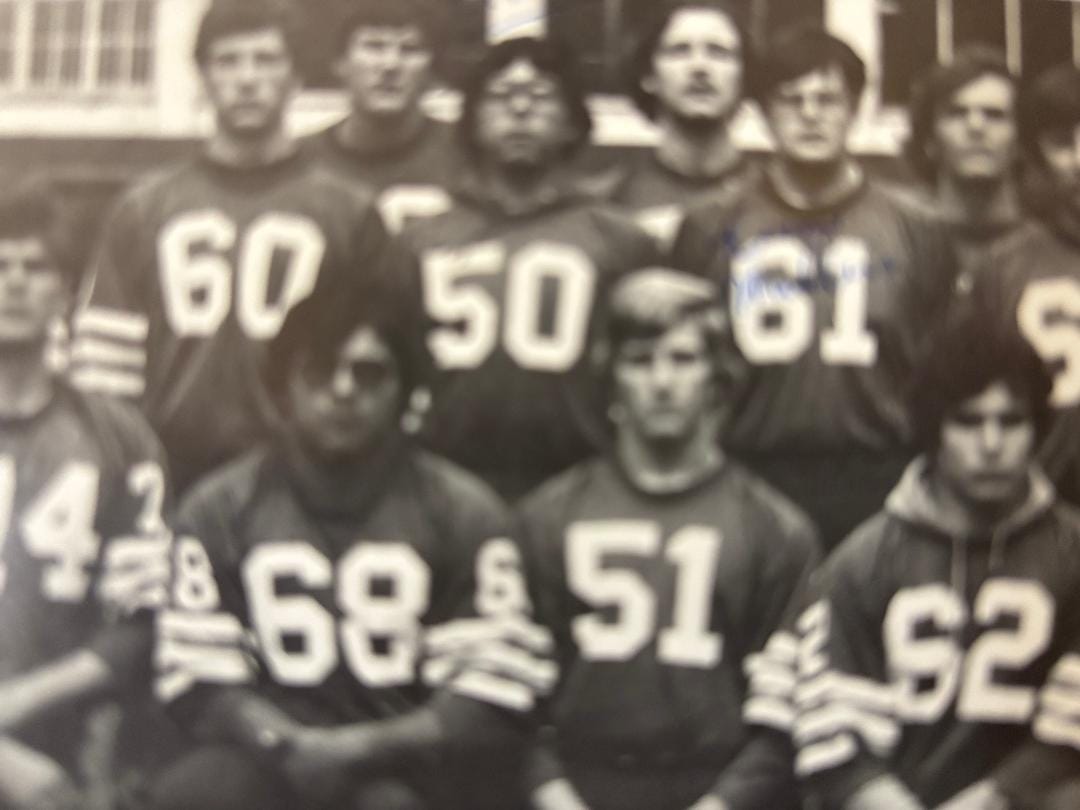
The author (back row, between numbers 60 and 50), as a member of the undefeated 1979 Kaiserslautern Red Raider football team
Football practice was as intense as one might expect it to be. I did my best to remain focused, but was taken aback when the sun reflected off the mirror on a truck driving past on Pariser Street, temporarily blinding me with a flash of brilliant light.
The only thought that went through my mind was “This is it.”
“Ritter, get your head screwed on straight,” Coach Joe Klemmer, who doubled as my physics teacher, shouted at me.
I did what I was told, but that flash, and what it could have possibly represented, shook me to my core.
I took the late bus home, scanning the driveway where the family car—a black Saab 99 Turbo—should have been parked.
It wasn’t there.
My father was still in the bunker.
He came home later that night, after we had eaten dinner. The Soviet reaction to the coronation of Pope John Paul II was determined to be purely political, and the threat of any military emergency had passed.
The world was good again.
Betsy decorated my locker, making sure to put a hand-made chocolate cake in their for us to enjoy together over lunch.
We won the football game in decisive fashion.
And I got to take my High School sweetheart to the Homecoming Ball.
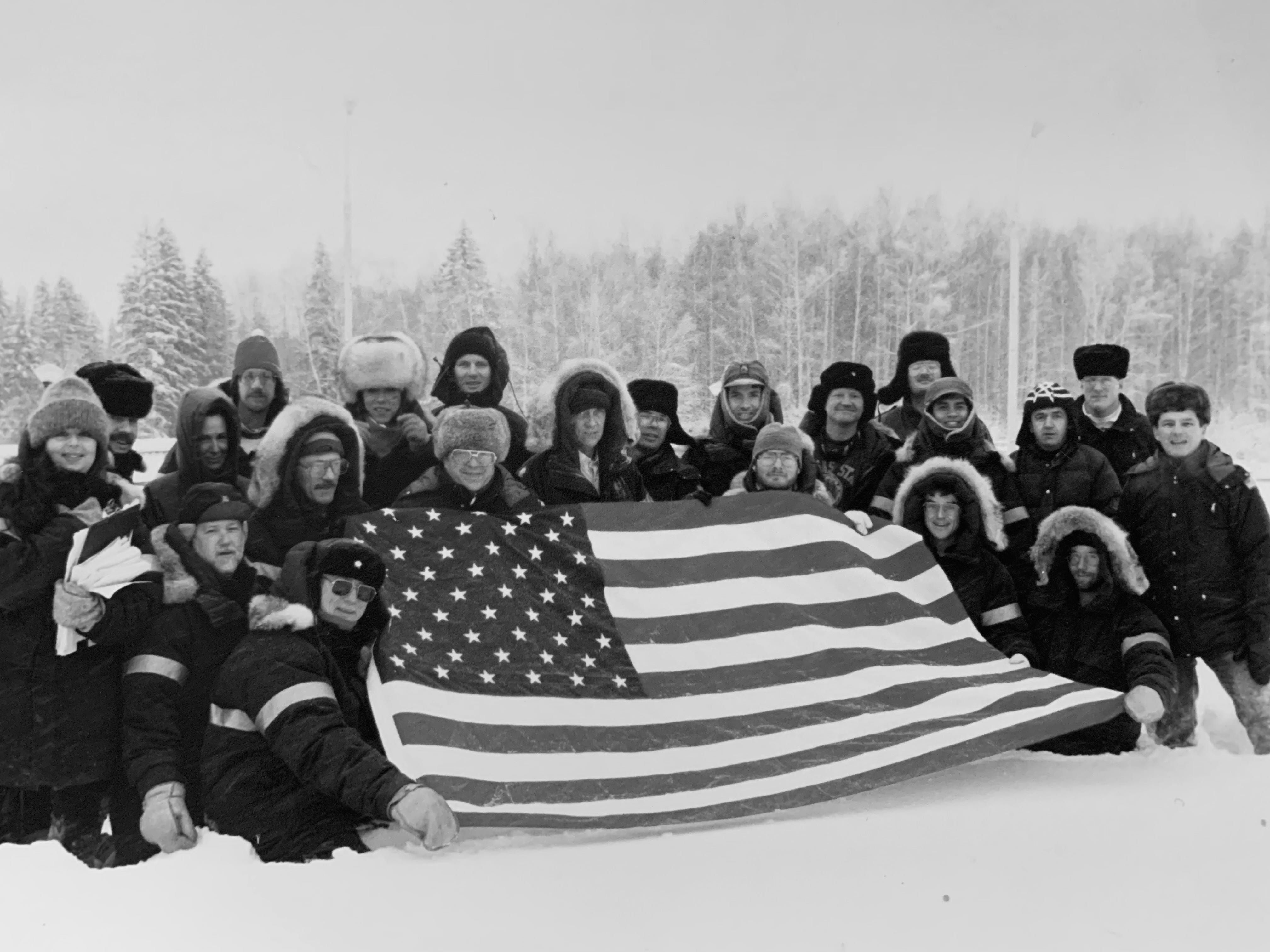
Author (standing, second from right) with other US inspectors outside the Votkinsk Missile Final Assembly Plant, December 1988
A decade later, in October 1988, I was working outside the Votkinsk Missile Final Assembly Plant, nestled in the foothills of the Ural Mountains, some 750 miles due east of Moscow. I was at the time a First Lieutenant in the United States Marine Corps, working as an inspector assigned to the On Site Inspection Agency, a Department of Defense activity stood up in February 1988 for the purpose of implementing the Intermediate Nuclear Forces (INF) treaty.
The Votkinsk Missile Final Assembly plant was where the Soviets had produced the SS-12/22 and SS-20 missiles that had been at the heart of the “Pope” crisis of October 1978.
I was part of a team of American inspectors stationed outside the factory gates to make sure that these missiles were never again produced.
For me, this mission was particularly poignant.
The flash that I witnessed on the practice field in the late afternoon of October 17, 1978, was seared into my brain.
Helping rid the world of these weapons was personal.
People ask me why I’m so vested in the business of arms control.
It is not a difficult question to answer.
Because there was a time when a boy’s life was turned upside down by the existential threat these weapons posed to him, his family, and the life he lived.
Because my father had to go down into the bunker.
And before he went, he felt compelled to tell my mother two words that filled her with fear:
“Alas, Babylon.”
I believed in arms control because no mother should hear such words.
And no boy should have to wonder if the random reflection of light off a passing truck’s rearview mirror was the flash that signaled the initiation of a nuclear blast that would end his life in an instant.
The last remaining nuclear arms control treaty between Russia and the United States has expired.
My mission has failed.
I’m Marine Corps trained.
I won’t give up.
But I’m smart enough to know that the legacy of arms control that had kept the world safe for the past 54 years (since the signing of the Anti-Ballistic Missile (ABM) treaty in 1972) has been squandered.
I will work to help make arms control a part of our strategic relationship with the other nuclear armed nations of the world, especially Russia.
But this will not happen overnight.
And my fear is that the next generation of children who otherwise should have been spared the consequences of events that caused a father to call his wife and utter the words “Alas, Babylon” will have to live through similar experiences as my own.
If, indeed, they can survive the experience.
(I will be travelling to Russia in March to continue my efforts to promote arms control and better relations between the US and Russia. As an independent journalist, I am totally dependent upon the kind and generous donations of readers and supporters to underwrite the costs associated with such a journey (travel, accommodations, meals, studio rental, hiring interpreters, video production and editing, etc.) I am grateful for any support you can provide.)
oooooo
Edward Snowden, in a 2015 video interview with The Guardian from Moscow:
“When you say ‘I don’t care about the right to privacy because I have nothing to hide,’ that’s no different than saying ‘I don’t care about freedom of speech because I have nothing to say.'”
“Simply because you are following the law, doesn’t mean that you’ll be exempt from governmental interference in your private life.”
Bideoa: https://x.com/i/status/2020508378309579250
oooooo
Over a month ago, the Iranian regime no doubt thought, as did the Iranian people and most of us, that we were assembling our mighty military forces to strike the regime with lightening fast, overwhelming force with the intent of destroying the regime for its monstrous genocidal crimes against humanity — and, finally, we’d put an end to this terrorist death cult. All the talk was not about if we act or leverage or negotiations but when we’d have our forces in place. We watched as the USS Abraham Lincoln and the other assets were moving and positioning. They’re there. Ready and able.
How things have changed. Of course, there’s the possibility the Iranian regime will overplay its hand during these negotiations as it did in June. Many believe that’s the plan — that is, to show they can’t be reasoned with. But why is such a plan necessary? And if there’s some deal, FWIW I’ve already explained a deal with this regime isn’t worth the paper it’s written on. In the end, they will not honor it. They are replaying North Korea’s tactics.
Patience may be a virtue most of the time but after half a century of dealing with this death cult, I’d say patience has been a disastrous excuse. There’s a time for action. And thanks to the courageous Iranian people and the incredible Israeli and U.S. armed forces, the regime is weaker than ever. If, in fact, our military is set and ready, then get Khamenei! The sooner the better!
oooooo
erabiltzaileari erantzuten
Israel lost the 12-day war.
Israel could not defend itself against Iran’s missiles. Israel still cannot defend itself against Iran’s missiles.
The United States cannot defend its regional bases against Iran’s missiles.
The USS Abraham Lincoln cannot defend itself from Iran’s missiles.
This is reality.
You live in a fantasy world.
oooooo
Let’s be crystal clear:
1. We reject feeding Palestinians without freeing them, rebuilding without restoring rights, or managing a population instead of ending an occupation.
2. Gaza is not empty land to be redesigned. It belongs to its people and is an inseparable part of Palestine.
3. Our future cannot be discussed without us—or reduced to a technical or humanitarian problem instead of confronted as a political and legal historic injustice.
4. Palestine is not without an address. There is one address: the State of Palestine and its national institutions—born of a 100-year struggle and recognized by 160 countries.
From my talk yesterday at Oxford University.
Full lecture: https://youtu.be/HE9-9mr-kyE?si
Bideoa:
Bideoa: https://x.com/i/status/2020533140431761724
oooooo
Geure herriari, Euskal Herriari dagokionez, hona hemen gure apustu bakarra:
We Basques do need a real Basque independent State in the Western Pyrenees, just a democratic lay or secular state, with all the formal characteristics of any independent State: Central Bank, Treasury, proper currency1, out of the European Distopia and faraway from NATO, being a BRICS partner…
Euskal Herriaren independentzia eta Mikel Torka
eta
Esadazu arren, zer da gu euskaldunok egiten ari garena eta zer egingo dugun
gehi
MTM: Zipriztinak (2), 2025: Warren Mosler
(Pinturak: Mikel Torka)
Gehigarriak:
MTM klase borrokarik gabe, kontabilitate hutsa
Anthony Anastosi: Estatu dirua, Klase borroka
1 This way, our new Basque government will have infinite money to deal with. (Gogoratzekoa: Moneta jaulkitzaileko kasu guztietan, Gobernuak infinitu diru dauka.)


